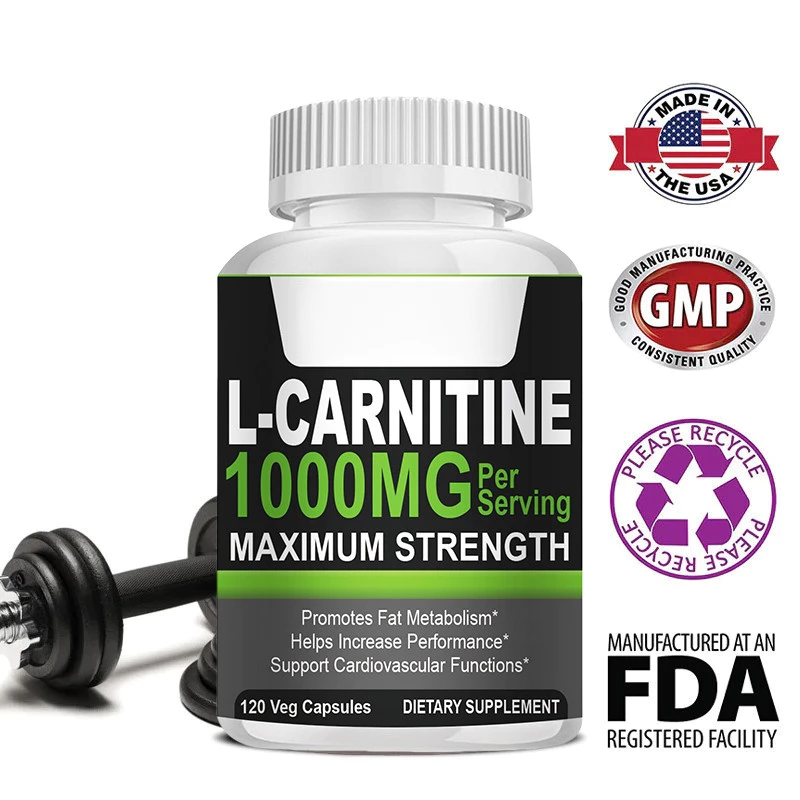
The Importance of L-Carnitine in our Body

L-Carnitine is a naturally occurring amino acid derivative that plays a central role in energy metabolism. Its primary and most well-established benefit is transporting long-chain fatty acids into the mitochondria—the power plants of your cells—so they can be burned for energy.
Here’s a detailed breakdown of its scientifically supported health benefits, mechanisms, and important caveats.
Primary and Well-Established Benefits
1. Energy Production (Fat Burning):
· Mechanism: This is L-carnitine’s core function. It acts as a shuttle, moving fatty acids across the mitochondrial membrane. Without sufficient carnitine, your body cannot efficiently use fat as a fuel source.
· Benefit: Supports sustained energy, especially during prolonged exercise, and may aid in fat metabolism.
2. Exercise Performance and Recovery:
· Performance: May improve athletic performance by enhancing fat oxidation, sparing muscle glycogen (stored carbs), and reducing lactate accumulation. Effects are more pronounced in older adults or individuals with lower baseline carnitine levels.
· Recovery: Numerous studies show it can reduce exercise-induced muscle damage, decrease markers of muscle soreness, and improve recovery. It may also increase blood flow and oxygen supply to muscles.

3. Heart Health:
· Heart Function: The heart gets 60-70% of its energy from burning fat, making it highly dependent on L-carnitine. Supplementation has been shown in some studies to improve symptoms and exercise capacity in people with heart conditions like angina, heart failure, and after a heart attack.
· Mechanism: It helps the heart muscle produce energy more efficiently and may have protective antioxidant effects on cardiac cells.
4. Brain Function:
· Neuroprotection: Similar to the heart, the brain has high energy demands. Carnitine may support cognitive function, especially in aging. Acetyl-L-carnitine (ALCAR), a form that crosses the blood-brain barrier easily, has been studied for conditions like Alzheimer’s disease, mild cognitive impairment, and age-related memory decline, with some promising results for symptom improvement.
Other Potential Benefits (with Emerging or Specific Evidence)
1. Type 2 Diabetes and Insulin Resistance:
· May improve insulin sensitivity, lower fasting blood sugar, and increase key enzyme activity (AMPK) involved in glucose metabolism.
2. Male Fertility:
· Carnitine is concentrated in the epididymis and sperm. Supplementation (often with acetyl-L-carnitine) has been shown to improve sperm motility, count, and overall semen quality in men with fertility issues.
3. Weight Management (Ancillary Role):
· While not a “fat burner” on its own, by enhancing the body’s ability to use fat for energy—especially when combined with diet and exercise—it may support weight loss efforts.
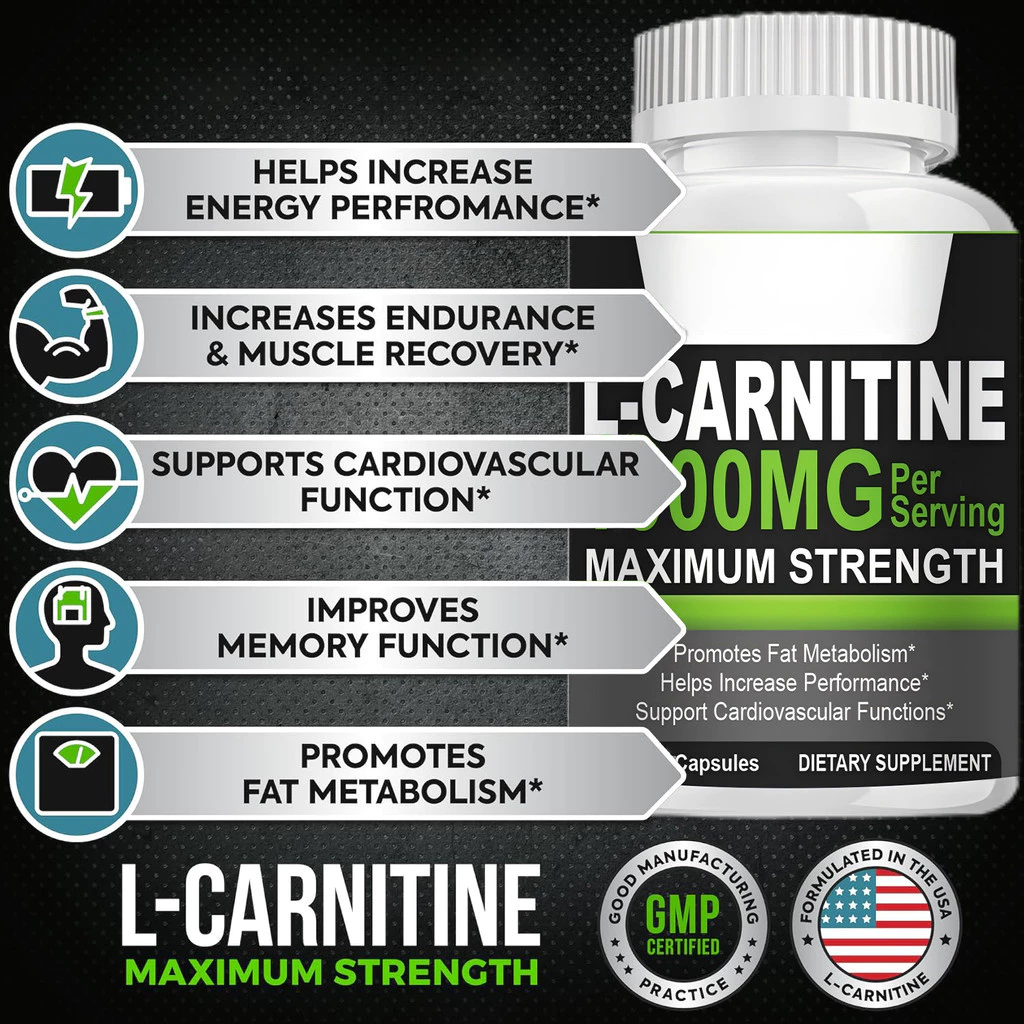
Important Forms of Carnitine
· L-Carnitine: The standard, most common form for general benefits.
· Acetyl-L-Carnitine (ALCAR): Best for brain health and cognitive function due to its ability to cross the blood-brain barrier.
· Propionyl-L-Carnitine (GPLC): Often used for heart health and peripheral vascular disease, as it may support blood flow.
· L-Carnitine L-Tartrate: The form most commonly used in sports supplements due to its fast absorption and benefits for exercise recovery.
Crucial Caveats and Safety
1. Endogenous Production: Your body (liver and kidneys) produces sufficient L-carnitine for basic needs from the amino acids lysine and methionine. Deficiency in healthy people is rare.
2. Dietary Sources: Red meat (especially beef and lamb) is the richest source. Poultry, fish, and dairy provide smaller amounts. Plant foods contain very little.
3. Who Might Be Deficient? Deficiency is more likely in:
· Vegans and vegetarians.
· Individuals with genetic disorders affecting carnitine transport.
· People with certain medical conditions (e.g., cirrhosis, kidney disease).
· Those taking specific medications (e.g., valproic acid).
4. Supplementation Side Effects: Generally well-tolerated at recommended doses (~500-2000 mg/day). High doses can cause nausea, stomach cramps, diarrhea, and a “fishy” body odor.
5. Cardiovascular Risk Concern: Some studies have raised concerns about TMAO (trimethylamine N-oxide), a metabolite linked to atherosclerosis, which can increase when gut bacteria process L-carnitine (especially from red meat). The significance of this from supplementation is still debated, but it underscores the importance of not mega-dosing without reason. A healthy gut microbiome may mitigate this risk.
Summary
L-Carnitine’s primary benefit is enabling efficient fat-burning for energy. This foundational role leads to potential benefits for:
· Exercise (recovery and endurance)
· Heart health (energy for the cardiac muscle)
· Brain function (especially the acetyl form, ALCAR)
· Fertility (sperm health)
Key Takeaway: While not an essential nutrient for most, targeted supplementation can provide clear benefits for specific populations (athletes, older adults, those with certain health conditions, or vegetarians). It is a supplement that supports metabolic processes, not a magic pill. Always consult a healthcare provider before starting supplementation, especially if you have underlying health conditions.
GET YOUR L-CARNITINE SUPPLEMENT HERE!