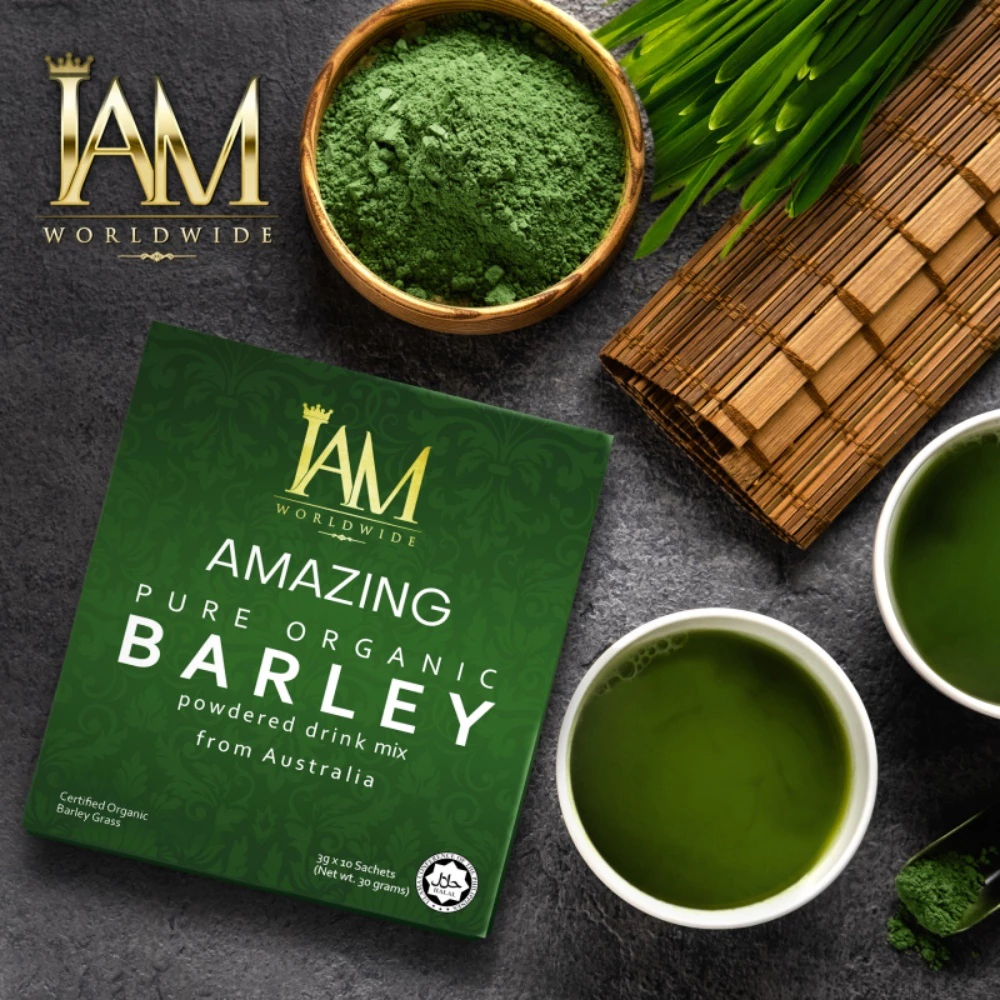
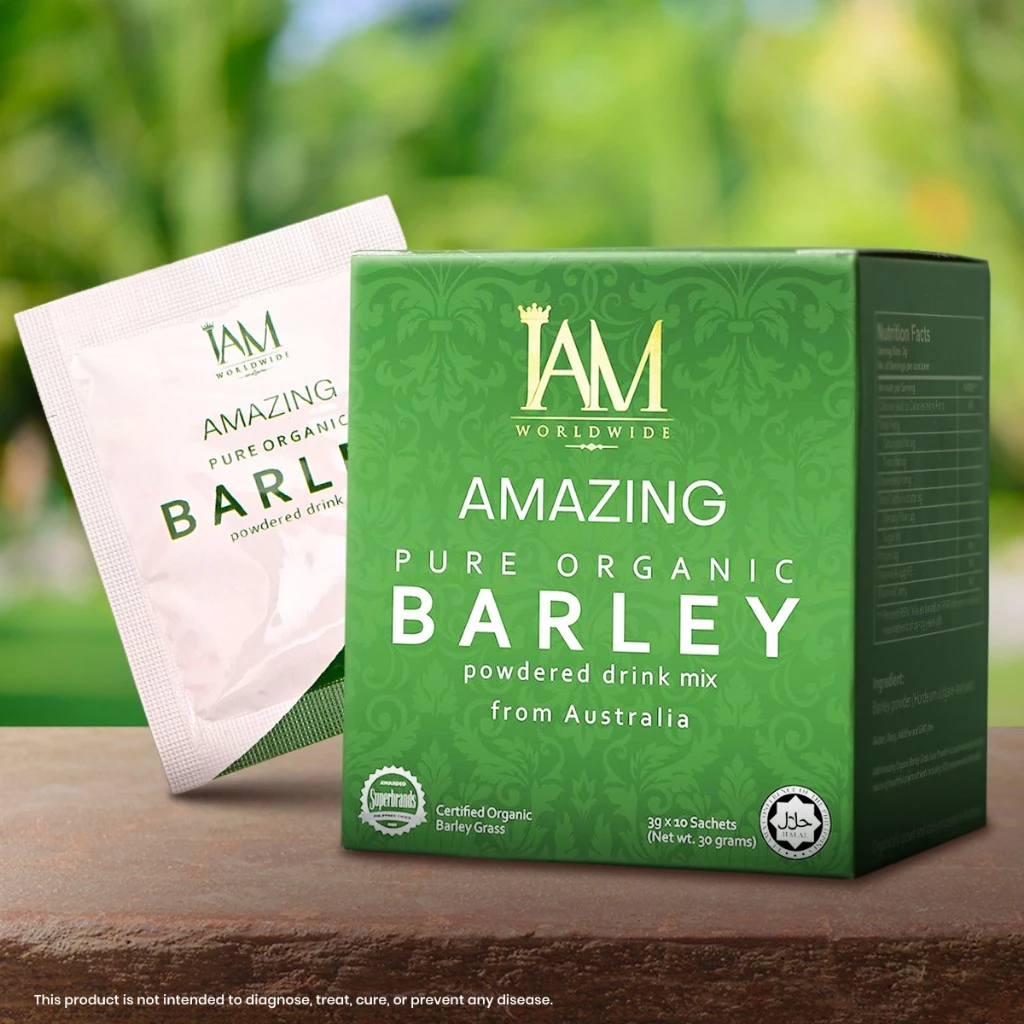
Why You Should drink a Pure Organic Barley Tea Today

Have you discovered the remarkable health benefits of drinking barley tea that science has recently confirmed? This ancient beverage, long cherished in East Asian cultures, offers significantly more than just a refreshing taste. Surprisingly, research through 2026 has uncovered numerous advantages that make this humble drink worthy of your attention.
Barley tea stands apart from other beverages due to its unique composition of antioxidants and bioactive compounds. Unlike green or black tea, barley tea is caffeine-free, making it suitable for evening consumption. Furthermore, this roasted grain beverage contains impressive levels of quercetin, melanoidin, and GABA—compounds linked to improved digestion, better sleep quality, and enhanced immune function. Additionally, barley tea has been associated with blood circulation improvements and potential weight management support.
Throughout this article, we’ll explore seven hidden health benefits of barley tea that science now supports. We’ll also examine what makes this beverage so effective, discuss any potential risks, and share brewing techniques to maximize its beneficial properties. Whether you’re a tea enthusiast or simply seeking natural ways to improve your wellbeing, barley tea might be the addition your diet needs.
What is Barley Tea and Why is it Popular?
Barley tea represents much more than a simple beverage across East Asia—it embodies centuries of cultural heritage and adaptation. This grain-based infusion, made from roasted barley kernels, offers a distinctive alternative to conventional teas with its caffeine-free composition and rich, toasty flavor.
Origins in East Asian cultures
The history of barley tea stretches back centuries, with archeological evidence suggesting consumption dating as far back as the Jomon period in Japan (ending around 300 BCE) . Initially, barley tea occupied a privileged position in Japanese society, primarily enjoyed by aristocracy during the Heian Period (794-1185). Throughout the following centuries, its popularity gradually expanded, first embraced by the samurai class during the Sengoku Period (1467-1603), before finally becoming accessible to commoners during the Edo Period (1603-1868).
In Korea, China, and Japan, barley tea goes by different names reflecting local languages: bori-cha in Korea, dàmài-chá or mài-chá in China, and mugi-cha or mugiyu in Japan. While roasted grain drinks existed in rural communities for centuries as medicinal brews, barley tea’s widespread popularity emerged largely through necessity during periods of hardship in the early 20th century.
Remarkably, the modern ubiquity of barley tea resulted from wartime adaptation. During conflicts like the Sino-Japanese War and World War II, traditional tea production faltered as farms lost labor and transportation collapsed. Barley, however, thrived in depleted soil, required minimal processing, and could be easily roasted to create a comforting beverage when traditional teas became scarce or unaffordable.
How it differs from traditional teas
Barley tea stands apart from conventional teas in fundamental ways. Despite being called “tea,” it technically qualifies as a tisane—an herbal infusion not derived from the Camellia sinensis plant that produces traditional green, black, white, and oolong teas. This distinction is more than botanical; it creates significant differences in chemical composition and effects.
Most notably, barley tea contains no caffeine, making it suitable for evening consumption and appropriate for all age groups, including children. In fact, barley tea is commonly given to Korean infants as young as six months old, with specialized non-bleached tea bags available specifically for babies.
The preparation process likewise differs substantially. Rather than harvesting and processing tea leaves, barley tea involves roasting barley grains until they achieve a rich, golden-brown color before steeping them in hot water. This roasting process creates unique Maillard reaction compounds that contribute to both flavor and potential health benefits.
Flavor profile and serving styles
Barley tea delivers a distinctive taste experience often described as toasty, nutty, and slightly bitter. Its flavor profile evokes comparisons to roasted coffee or the crust of artisanal bread, albeit with a lighter, grain-forward character. Some drinkers detect a pleasant natural sweetness beneath the predominant toasty notes.
Serving preferences vary across regions. In Korea, barley tea (boricha) frequently replaces water as the default table beverage, served year-round—hot in winter months and refreshingly cold during summer. Meanwhile, in Japan, barley tea (mugicha) has become predominantly associated with summer refreshment, typically served chilled as a thirst-quencher during humid weather.
Modern convenience has transformed barley tea’s availability. Since the 1980s, tea bags containing ground barley have largely replaced traditional whole grain brewing in Japan. Today, bottled barley tea is widely available in supermarkets, convenience stores, and vending machines throughout East Asia. In Korea, even heated PET bottles of barley tea can be found in convenience store warming cabinets during colder months.
The enduring popularity of barley tea stems from its versatility, affordability, and cultural significance—a beverage that evolved from wartime necessity into a beloved daily ritual across generations.
7 Hidden Health Benefits of Barley Tea
Research reveals that barley tea offers far more than refreshment. Modern studies have uncovered specific compounds that make this ancient beverage a potential ally for your wellbeing. Let’s explore the health benefits of drinking barley tea that scientific research has identified through 2026.
1. Supports digestive health
Barley tea functions as a natural antacid, effectively relieving heartburn and acid reflux symptoms. The fiber content in barley helps regulate bowel movements and prevent constipation, consequently promoting overall gut health. Many people experience reduced bloating and stomach discomfort when consuming this beverage regularly. The tea’s antioxidants can effectively eliminate harmful bacteria that contribute to digestive issues, acting as a mild diuretic that aids in detoxification.
2. Strengthens immune function
Rich in vitamin C, barley tea helps protect your immune system from various diseases and may shorten the duration of common colds and flu. This essential vitamin increases white blood cell production, enabling your body to fight infections more efficiently. The antioxidants present, including quercetin, combat free radicals that can cause cell damage leading to premature aging and serious illness. These compounds work primarily to neutralize harmful oxidative stress.
3. Improves blood circulation
Studies show that drinking 250 milliliters of barley tea resulted in measurably improved blood flow. This benefit stems from alkylpyrazine, an aromatic component in barley tea that enhances blood fluidity and helps prevent arteriosclerosis. Better circulation reduces the risk of blood clots and related cardiovascular problems like heart attacks. Researchers observed that these positive effects can last up to 60 minutes after consumption.
4. Helps with sleep and relaxation
Unlike caffeinated beverages, barley tea contains compounds that promote better sleep. These include melatonin and tryptophan, which trigger neurotransmitters that help you relax. The tea may contain gamma-aminobutyric acid (GABA), an amino acid that reduces excitability and calms the brain. For optimal results, consider drinking warm barley tea 30-90 minutes before bedtime as part of a consistent sleep routine.
5. Aids in weight management
Barley tea serves as an excellent low-calorie alternative to sugary drinks. It contains virtually no calories, making it ideal for those watching their weight. Some antioxidants found in barley tea, including chlorogenic and vanillic acids, may boost fat burning at rest . The fiber content creates a feeling of fullness that reduces unnecessary snacking between meals.
6. May reduce risk of tooth decay
Research indicates that barley tea has antibacterial properties that fight oral streptococci bacteria, which cause tooth decay . Regular barley tea drinkers showed less plaque on their teeth and lower levels of harmful bacteria in their saliva compared to non-drinkers. The polyphenols in barley tea help prevent plaque buildup, thereby protecting your dental health.
7. Potential fertility benefits in men
Barley contains significant amounts of selenium, a mineral linked to male fertility. In one study, 52% of previously infertile men experienced improved sperm motility after selenium supplementation. Regular consumption may support prostate health and potentially reduce risk of prostate cancer. This mineral plays a crucial role in male reproductive function and contributes to overall reproductive health.
What Nutrients and Compounds Make It Effective?
The remarkable health benefits of drinking barley tea stem from its rich biochemical profile. Understanding these compounds helps explain why this ancient beverage continues gaining scientific recognition as more than just a cultural staple.
Key antioxidants: quercetin, melanoidin, GABA
Barley tea contains powerful antioxidants that combat free radicals responsible for cell damage, premature aging, and serious illnesses. Quercetin stands out as particularly important, actively preventing oxidation that causes cell death. This flavonoid works specifically against peroxynitrite, a compound linked to both cardiovascular and neurological diseases.
Melanoidin, formed during the roasting process, gives barley tea its distinctive antibacterial properties. This antioxidant, alongside other polyphenols, helps protect against plaque buildup and prevent tooth decay. Interestingly, roasting actually increases the antioxidant capacity of barley through the browning of the grain.
GABA (gamma-aminobutyric acid) appears in barley tea as an inhibitory neurotransmitter. One study found barley seedlings contained 6.5 times more GABA than rice. This compound effectively reduces brain excitability, creating a calming effect similar to prescription anti-anxiety medications but without serious side effects.
Vitamins and minerals present
Barley tea provides essential vitamins A and C, both crucial for immune function. Vitamin C particularly helps increase white blood cell production, enhancing the body’s ability to fight infections.
Beyond vitamins, barley tea contains various minerals, though their concentrations vary depending on brewing methods. Raw barley contains iron (36–85 mg/kg), potassium (0.36–0.58 g/100 g), calcium (0.03–0.06 g/100 g), and sodium (0.01–0.08 g/100 g). Nevertheless, it remains unclear exactly how much of these nutrients transfer into the brewed tea.
Zinc deserves special mention for its role in immune function. Different barley varieties offer varying nutritional profiles – Tibet37 provides 30% of daily protein value, whereas Streaker offers 19%.
Role of melatonin and tryptophan
Melatonin appears naturally in barley tea at significant levels. This hormone regulates your body’s internal clock by controlling sleep cycles, triggered when daylight fades. Higher melatonin levels promote sleepiness and calm, particularly beneficial for those with insomnia.
Barley tea also contains tryptophan, an amino acid your body uses to produce melatonin. Tryptophan creates serotonin, a neurotransmitter that aids sleep while supporting melatonin production and regulating your circadian rhythm. Together with GABA, these compounds create barley tea’s natural sleep-enhancing properties without caffeine’s stimulating effects.
Are There Any Side Effects or Risks?
While barley tea provides numerous health advantages, it’s essential to understand potential drawbacks for certain individuals. Let’s examine some important considerations before making this beverage part of your daily routine.
Gluten and grain allergies
Barley tea is not appropriate for everyone. As a gluten-containing grain, barley poses serious risks for those with celiac disease or gluten sensitivity. Individuals following gluten-free or grain-free diets should avoid barley tea entirely. Those with allergies to cereal grains may experience adverse reactions ranging from mild discomfort to potentially severe allergic responses.
Barley allergies can manifest through various symptoms. Some sensitive individuals might develop anaphylaxis (a severe allergic reaction) from products containing barley. People allergic to other cereal grains including rye, wheat, oat, corn, and rice may experience cross-reactivity with barley. Additionally, those with grass allergies might react to barley tea.
Concerns during pregnancy
Pregnant women generally consider barley tea safe in moderate amounts. Nevertheless, caution remains warranted. Excessive consumption might cause gastrointestinal problems, potentially including abdominal cramping, bloating, and gas.
Research has found a concerning association between women with celiac disease and history of miscarriage. Accordingly, pregnant women sensitive to gluten should exercise extra caution with barley products, including tea.
Acrylamide content in roasted barley
Potentially, the most significant concern with barley tea involves acrylamide—a substance formed during the roasting process that has been identified as potentially carcinogenic. Primarily, acrylamide forms when barley grains are roasted at temperatures between 180-240°C.
Fortunately, proper preparation can minimize exposure. The acrylamide concentration follows an inverted ‘U’-shaped curve during roasting—increasing initially but then decreasing with continued roasting at higher temperatures. Dark-colored, deeply roasted barley grains generally contain lower amounts of acrylamide than lightly roasted ones.
For minimal acrylamide exposure, consider these precautions:
- Choose deeply roasted barley with a darker color
- Avoid long simmering and steeping times when preparing loose grain tea
- Be aware that acrylamide from teabags dissolves more readily into the tea
Essentially, barley tea remains safe for most people when consumed appropriately, but understanding these potential concerns helps ensure you can enjoy its benefits with proper awareness.
How to Brew Barley Tea for Maximum Benefits
Brewing the perfect cup of barley tea requires attention to a few key details. With proper preparation, you can maximize both flavor and the health benefits of drinking barley tea.
Choosing between tea bags and whole barley
Tea bags offer convenience and quicker brewing times, making them ideal for cold brewing. They typically contain crushed barley kernels, which release flavor faster but may lack some depth. Moreover, tea bags are perfect for making iced barley tea, requiring only 1-2 hours of steeping in cold water.
In contrast, whole roasted barley kernels provide a richer, more well-rounded flavor profile, making them superior for hot brewing. Although they require longer brewing times, the resulting tea possesses greater depth and smoothness. For the most authentic experience, consider using pearl barley, which is widely available and easy to prepare.
Roasting and steeping tips
If using raw barley, roast it in a dry, non-stick pan over medium heat for 10-20 minutes, stirring occasionally until it reaches a dark brown color. The darker the roast, the stronger and more toasty the flavor will be.
For hot brewing with whole kernels, use approximately 2-3 tablespoons of roasted barley per quart of water. Bring to a boil, subsequently reduce heat and simmer for 5-30 minutes depending on desired strength . First-time brewers might start with a 10-minute steep.
Cold brewing requires approximately one tea bag per liter of water, steeped in the refrigerator for 1-2 hours – much quicker than other cold-brewed teas that typically need 12 hours.
Flavoring ideas: lemon, honey, spices
Barley tea’s nutty flavor pairs wonderfully with natural sweeteners. A touch of honey enhances the tea’s richness while providing additional health benefits . Alternatively, try adding fresh lemon slices for brightness and vitamin C.
For a more adventurous cup, consider adding finely grated ginger (about 1 tablespoon) to the brewing process for an invigorating kick. Equally important, this combination supports digestive health while adding complexity to the flavor profile.
Conclusion
Barley tea stands as a remarkable beverage that offers far more than just refreshment. Throughout this article, we’ve explored the numerous health benefits supported by scientific research through 2026. From digestive support and immune strengthening to improved blood circulation and better sleep quality, this humble drink deserves serious consideration as part of your daily routine.
The power of barley tea lies in its unique composition of antioxidants like quercetin and melanoidin, along with compounds such as GABA, melatonin, and tryptophan. These elements work together to create a caffeine-free beverage that supports overall wellness without the stimulating effects found in traditional teas.
Though beneficial for most people, certain individuals should exercise caution. Those with celiac disease or gluten sensitivities must avoid barley tea entirely. Pregnant women should consume it moderately, while everyone should be aware of potential acrylamide content from the roasting process.
Preparation matters significantly when brewing barley tea. Whether you choose convenient tea bags or whole barley kernels, proper roasting and steeping techniques maximize both flavor and health benefits. Additionally, simple additions like honey, lemon, or ginger can enhance both taste and therapeutic properties.
Barley tea represents a perfect blend of ancient wisdom and modern science. This centuries-old beverage, born of necessity and cultural tradition, continues to prove its value through scientific validation of its health-promoting properties. Consider adding this toasty, nutty brew to your beverage rotation – your body will thank you for it.